Ah, 2020. We’ve all heard enough bland corporate goodwill this year – these are uncertain times, after all – so I’ll keep this short and sweet.
For all of the year’s mishaps, it’s shaped out as one of the best for music in a long while. We got new, exploratory works from the greats, stellar albums from some of the biggest faces in modern music, and a whole host of underground gems, as always. In fact, the year’s been so overwhelming that I’ve had to cut this 20 down from over 100 solid contenders – much love to the immensely talented Cleo Sol, Chester Watson, Action Bronson, NSG and Rina Sawayama, who just missed the cut.
Though for all the positives, I’d like to also dedicate part of this page in tribute to the late legend Pop Smoke. One of the earliest pieces of professional writing I ever did was the Spotify “About” page for Pop, just after the release of “Welcome to the Party” – having to update that same piece less than a year later, with news of the rapper’s death, was one of the absolute lowest moments of my year. As the face of Brooklyn’s drill scene, Pop did what so many before him couldn’t, bringing the burgeoning genre to the masses while retaining every facet of its origins. While many will remember him for hits like the posthumous “For the Night,” Pop’s greatest success was as the golden child of Brooklyn Drill – “Welcome to the Party,” “Meet the Woo,” “GATTI” and “Dior” will go down as classics of the genre for generations to come. Without Pop Smoke, Travis Scott would never have hopped on drill, Drake never would have hopped on drill, infact, drill would most likely still be bubbling in New York’s underground, waiting for its moment in the light. His effortless charisma, booming vocals and slick flows were inimitable, and the musical world is an infinitely worse place for his absence. Rest in Peace.
With all that said, I hope you’ve had about as good a year as you can, given obvious reasons, and here’s to a slightly brighter 2021. So without further ado, here are my picks for the best albums of 2020 – hope you enjoy.
David
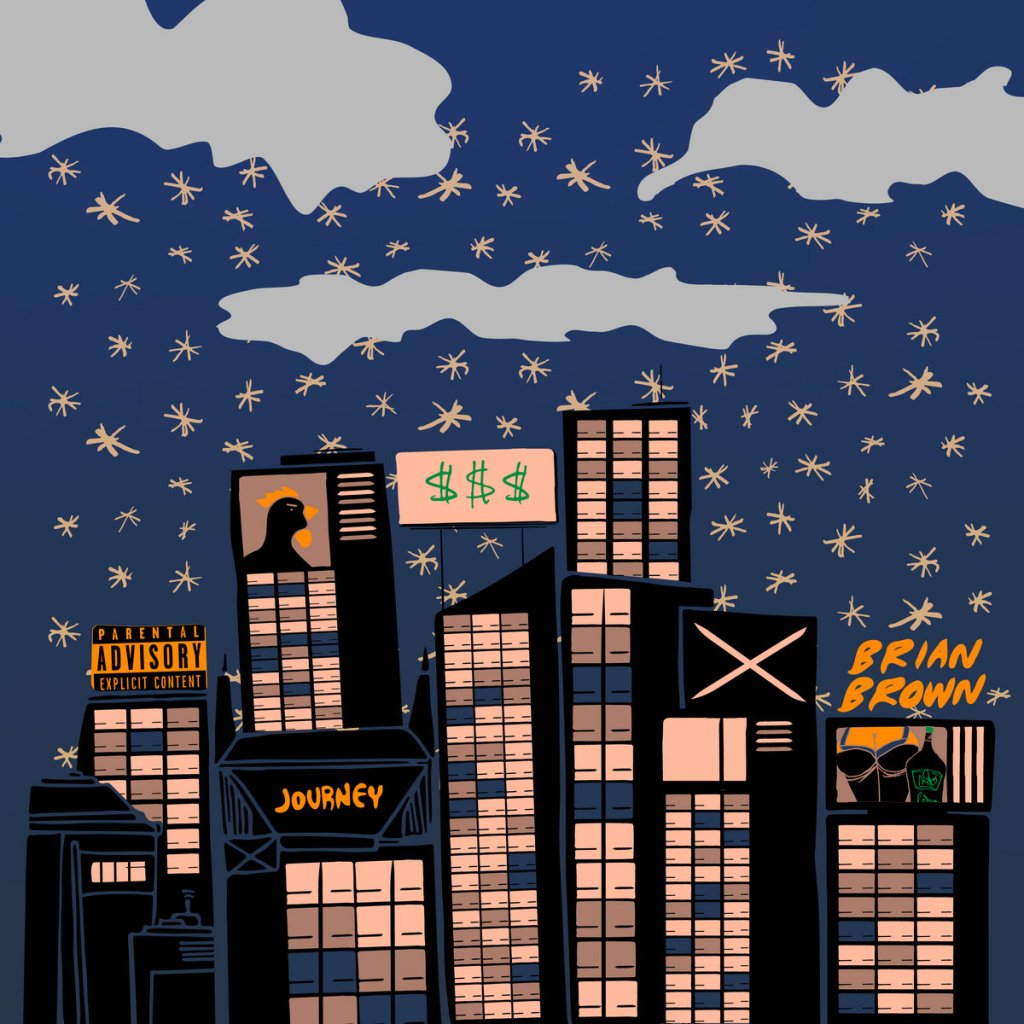
#20 – Journey, Brian Brown
Journey is Brian Brown’s debut album – not that you’d be able to tell, from its expansive soundscapes, complex verses and delicately-crafted moods. It’s rare that an artist comes as fully formed on their debut as the Nashville MC does here, but his gradual growth since 2014 has culminated in something truly special. Over organic, warmly-layered instrumentals, Brown delivers both internal and external reflections, holding a razor-sharp flow and acute self-awareness as he speaks on issues of self-worth, poverty and growth. And, of course, Nashville is at the front and centre of his story: whether it’s the collapsing generations of “Flava,” the gloomy come-ups of “Journey” or the soulful homages of “Come on In,” Journey paints both its city and creator in brilliantly vivid brushstrokes.

#19 – how i’m feeling now, Charli XCX
While I’ve got no doubt that “Quarantine Album” may just become the music journalists’ version of “Dark Souls,” I’m going to give myself one exception here; composed collaboratively with fans over a six-week span, Charli XCX’s fourth studio album is every part the “work from home” of the music world. Taking more from the charged-up sugar of Pop 2 than the radio-teetering Charli, HIFN’s strength lies in its limited scope: detached from collaborators and songwriters, the project allows for some of XCX’s most candid writing to date, narratives of saccharine romance laced with an intensely personal taste. When brought home with the singer’s trademark vocal manipulation and superb production from key collaborator A.G. Cook, the result is one of XCX’s finest forays to date.

#18 – Future Nostalgia, Dua Lipa
If 2020 was the year of “not leaving the house,” then clearly the music business didn’t get the memo. Despite the closing down of the world’s clubs, gigs and festivals, mainstream pop has re-embraced the club-centric, danceable sounds of eras past – with Dua Lipa’s Future Nostalgia right at the front of the charge. Released at the start of the year, Lipa’s second set is the antithesis of the world into which it was cast: pulsing, extroverted, and just damn fun. Making an homage album carries with it the risk of cheap nostalgia-bait; instead, the singer lifts the album’s tracks into the modern age, with dominant earworm hooks and a sleek production suite. But the true key to the album’s success is, as expected, Lipa herself. As embodied on its glossy front cover, the English vocalist is in the driver’s seat here: flickering between playful raps, commanding choruses and emotive croons, the project glides to success by the versatile hands of its creator.

#17 – EDNA, Headie One
To make an album like EDNA is an inherently risky move. When an artist decides to spread their work across a wide musical spectrum, prized qualities like cohesiveness and conciseness become infinitely harder to attain; luckily Tottenham’s Headie One has the talent to carry such a burden. The album’s 20-track masterclass plays like a showcase of the UK rap spectrum, with endeavours into trap, trapwave, and afroswing displayed alongside the rapper’s original drill sound. To cover this much of the British rap scene in one project is an impressive feat, but to do it to this standard of quality is another thing entirely; as I wrote in my original review of the album, “If Music X Road was the sound of Headie expanding his repertoire, then EDNA is the sound of its mastery.” With an expanded variety of styles comes a wider portrait of the rapper, too: from the desperate pleas of “Teach Me” to the laid-back braggadocio of “Parlez-Vous Anglais,” from the love-driven laments of “You & Me” to the chaotic street tales of “Triple Science,” from the chest-pounding cries of “Try Me” to the shimmying luxury of “Princess Cuts,” it’s impossible to hear EDNA and not leave with a profound sense of the rapper’s multi-faceted life.
You can read my full review of EDNA here, via AllMusic.
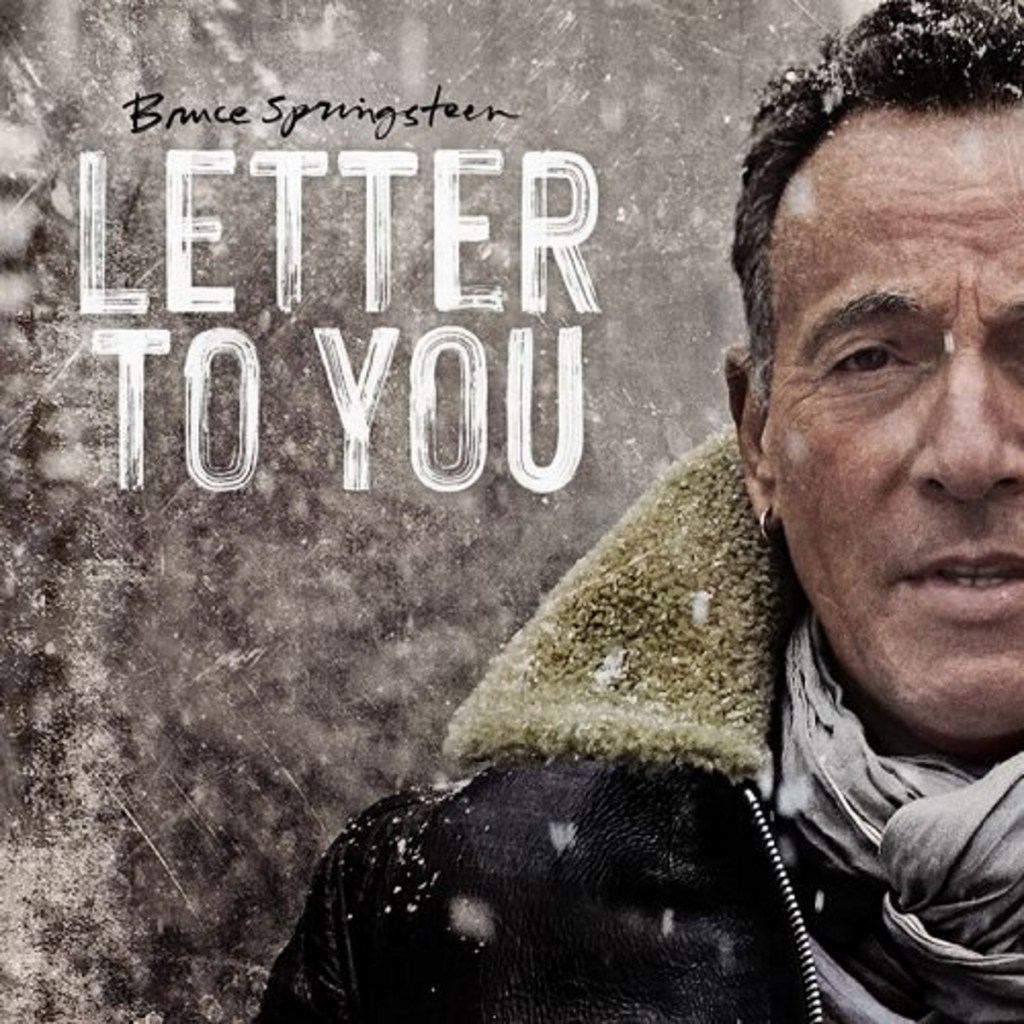
#16 – Letter to You, Bruce Springsteen
There’s a collective warmth to “Letter To You” entirely at odds with its wintry cover. Not only does Springsteen’s 20th set bring back the E Street Band, but it harks back to their traditional ways of recording; the album is the first, since 1984’s Born In the USA, where the Boss and band are recording live alongside one another in the studio. On a technical level, this works marvels: alongside amplifying the foot-stomping brilliance of the band’s return, the move gifts the album an organic energy that supplements both its common spirit and its emotive lows. Springsteen’s songwriting is, of course, as compelling as ever, whether he’s paying tribute to lost friends (“Ghosts,” “Last Man Standing”), speaking to the collective power of music (“House of a Thousand Guitars,” “The Power of Prayer”) or reflecting on his own mortality (“One Minute You’re Here,” “I’ll See You in My Dreams”). It’s a record that’s both immensely rousing and intimately personal, one that touches on loss and grief while maintaining the trademark thump of the band’s sound – and one that marks the most gripping moment of the legend’s late career.

#15 – Shrines, Armand Hammer
It seems that with every release from Armand Hammer, the duo of ELUCID and Billy Woods sink deeper into their own coded, murky mythology. With a psychedelic, dusty, and sometimes even soulful production suite, Shrines trades some of the harrowing notes from 2018’s Paraffin for a more experimental set of twists, scattering the ashes of a beat then rapping where the grains fall. Yet, as always, it’s the Woods/ELUCID pairing that provides the bulk of the album’s appeal, with both MCs bringing out the best of each other’s complex style. Skipping between layered allegories and black humour with a dry deftness, the duo’s cryptic poetries once again prove as poignant as they are technically impressive.
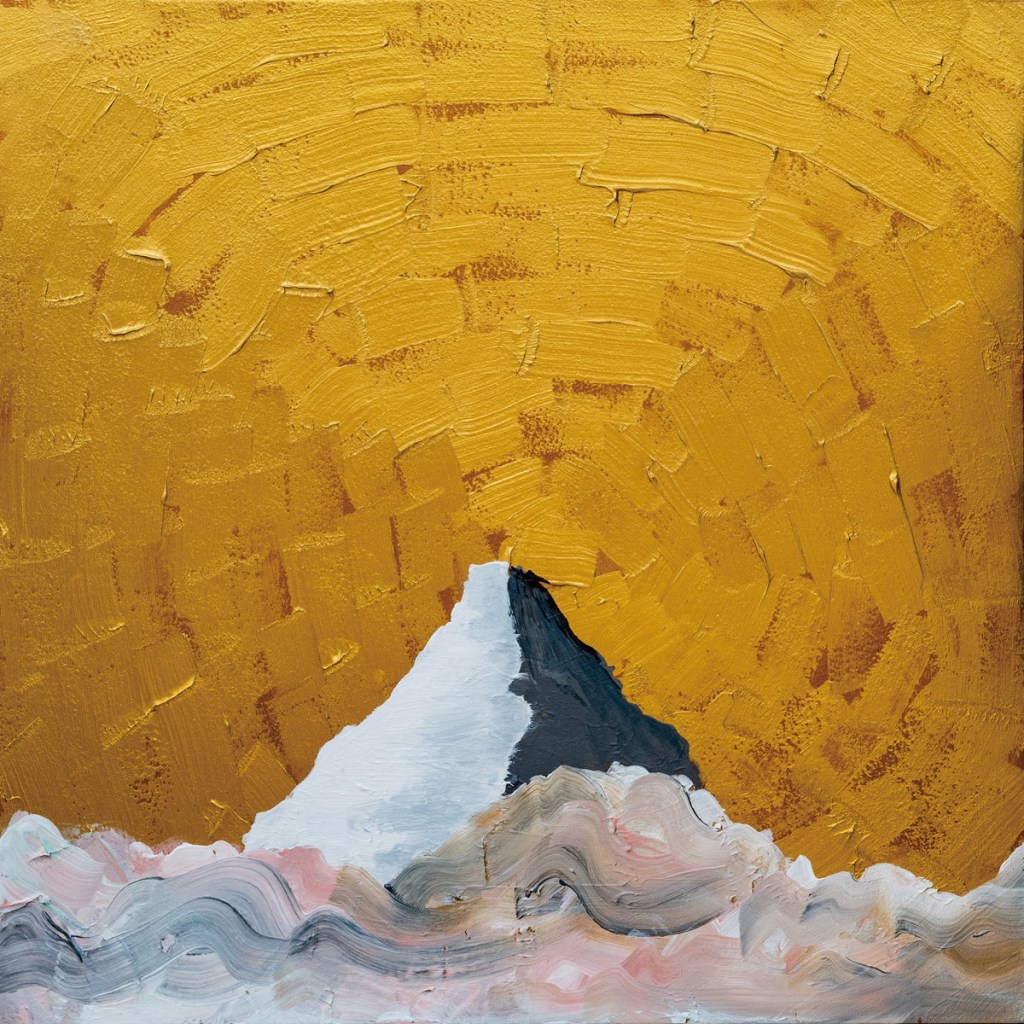
#14 – Alo, Ajate
Alo is one of those rare albums that’s impossible to quite pin down. The Japanese 10-piece are a self-described fusion of afro-groove and ohayashi, traditional Japanese festival music, but genre labels only capture a tiny portion of the wall of sound presented on the group’s second LP, Alo. Across just 37 minutes, the group turn traditional instruments like the shime-daiko and shinobue into tools of intense celebration, delivering spiralling solos over the danceable drum patterns of their afro-groove influences. Vocal contributions from members John, Gen and PEPPERMINT U weave seamlessly into the grooves of the bamboo ensemble, too, resulting in a chameleonic work that never loses its dynamism. Technically brilliant, vividly performed, and dazzlingly creative, Alo is an absolutely singular record.

#13 – græ, Moses Sumney
As I wrote earlier this year, Moses Sumney’s græ is an exercise in external flair: “scored by Sumney’s most vibrant array of instrumentals to date, the San Bernadino musician’s second set sees him push outward, swapping Aromanticism’s insular fragments for a set of more exposed, yet transient brushstrokes.” Casting its audience into the “græ” areas of existence, Sumney’s cosmic journey focuses on the idea of multiplicity, exploring self-definition and romance in light of his stalwart manifesto – “I insist on my right to be multiple.” In typical fashion, Sumney warps his transcendent vocals to fit his album’s ever-changing moods, arcing from breathless intimacy on “Keeps Me Alive” to slick confidence on the shuddering “Virile.” Probing the depths of self with experimental showmanship, while retaining the sheer beauty of Sumney’s early works, græ is one of the year’s most forward-thinking and spellbinding releases.
You can read my full review of græ here, via AllMusic.

#12 – TRINITY, laylow
Despite modern trap’s mainstream dominance over the last half-decade, albums that push at the boundaries of the genre are few and far between: most can only point to Travis Scott’s Rodeo, Future’s HNDRXX, Carti’s S/T and the various works of Atlanta’s Young Thug as “ground-breaking” releases. But in France, revolution comes naturally. French rap has had a trailblazing start to the decade – projects from Freeze Corleone, Damso, S.Pri Noir and Kekra all made bold statements this year – but it’s the debut of Toulouse’s laylow that truly stood out from the pack. Entitled TRINITY, the rapper’s debut album is a conceptual work loosely framed around the Matrix Trilogy, taking the listener on a complex sonic journey as laylow experiences the emotional simulation of an AI named “Trinity.” What’s perhaps most impressive about TRINITY is just how many styles are folded into a cohesive whole: the Yeezus-esque “AKANIZER,” despondent “DEHORS DANS LA NIGHT,” thundering “MEGATRON,” and future-noir “TRINITYVILLE” are worlds apart in sound, yet brought together by the futuristic palettes they inhabit. Each individual song is not only a standout track in its own right, but an ambitious set-piece, too: late gem “…DE BATARD,” wows with its synthetic, atmospheric production, while also using four different perspectives and speech patterns to deliver a tragic familial narrative. It’s this kind of ambition that cements TRINITY as the best trap project of the year: not only has laylow recorded some of the best trap songs of the year, he’s built a cohesive world around them.

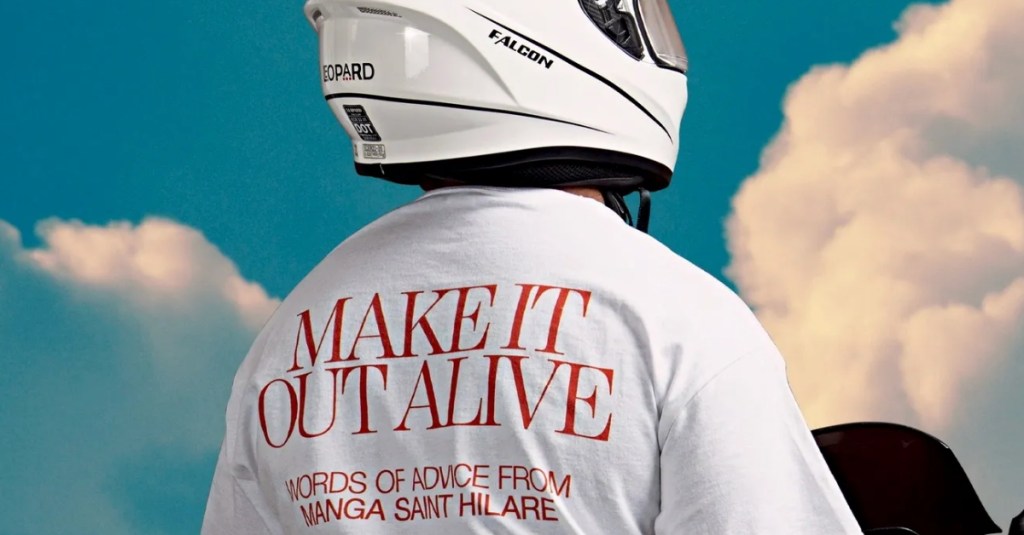
#11 – Make It Out Alive, Manga Saint Hilare
Introspective grime sounds at first like an oxymoron. For rappers conditioned by clashes, wheel-ups and grit-laden braggadocio, the idea of making tunes about vulnerability seems unthinkable; for genre pioneer Manga, it’s just another day in the business. Make It Out Alive is the Roll Deep vet’s most fully formed work to date, an odyssey of personal growth set to crisp modernisations of the original grime sound. Whether he’s delivering essential life lessons (“Safety in Numbers,” “Sorry for Your Sorrows,”), speaking with chest (“Turning in My Grave,” “Trample”), or undergoing poignant self-discovery (basically, the whole album), the London-based MC is as engaging, candid and talented as ever, delivering with a perfect balance of skill and emotion. Make It Out Alive is not just a testament to Manga’s own personal growth, but practically an auditory self-help book;”Your time will come, they can’t cheat it” the rapper bellows, as the album’s brash sonics drift off into a mellow, chiptune curtain call.
Stay tuned for albums 10 through 1 – big up to all of these ridiculously talented artists and their phenomenal teams.

 david-crone.com
Leave a reply to The Best Albums of 2020: #10 – #1 – David Crone Cancel reply